Dishes
Taiwanese banquet (bando)
辦桌
Also called: bando · 台菜 (Taiwanese cuisine) · roadside banquet · 總舖師 (banquet head chef)
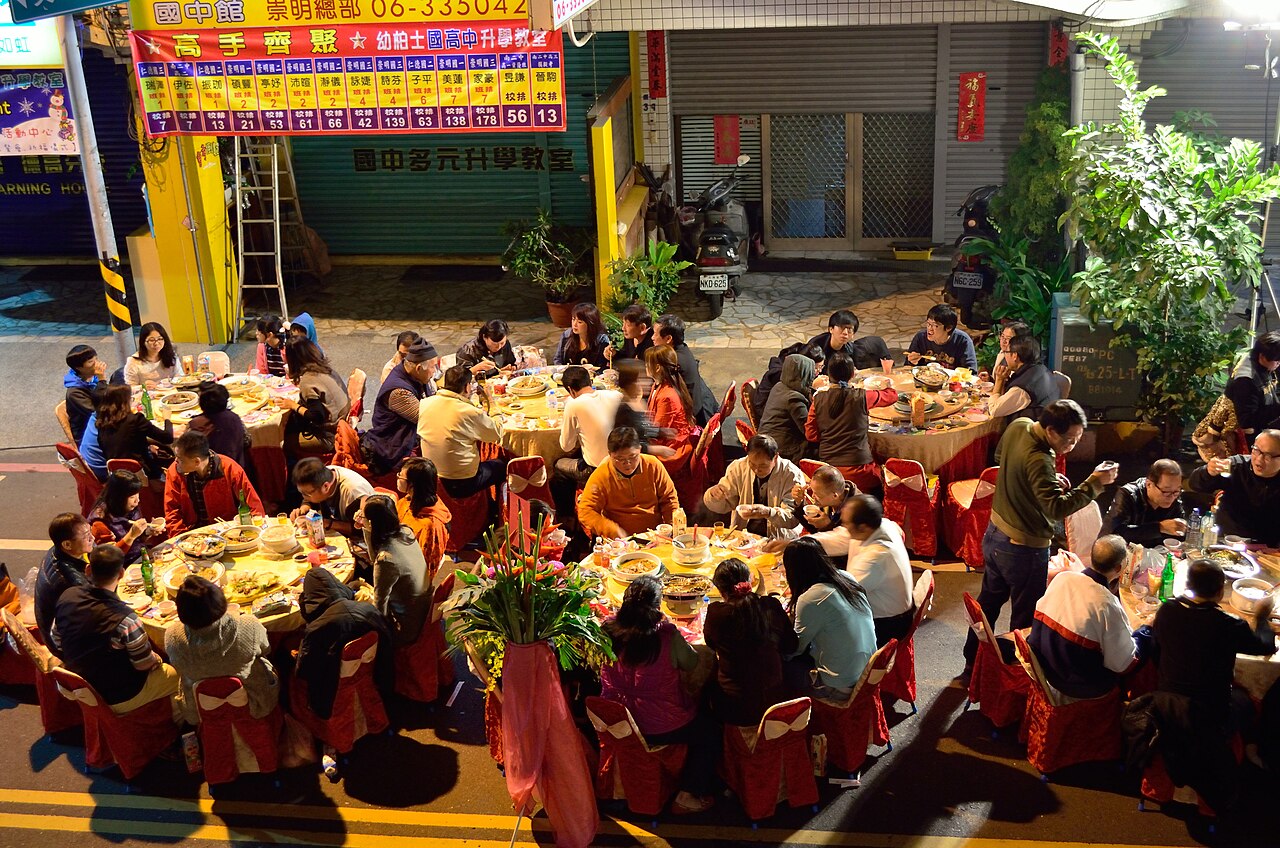
Bando is the Taiwanese tradition of cooking a many-course feast on site for weddings, temple festivals and other celebrations. Several Tainan and Kaohsiung restaurants serve these banquet dishes to the public.

What it is
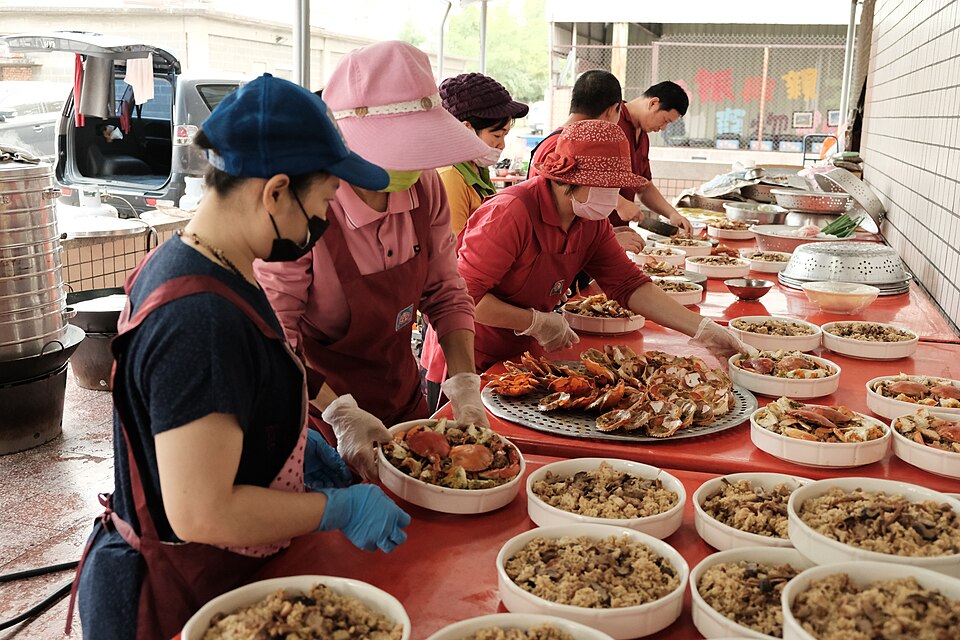
A bando (辦桌) is a catered feast: a head chef (總舖師) sets up stoves on site and sends a run of dishes to round tables. Occasions include weddings, house-warmings, year-end company dinners, temple festivals and even local elections, and wedding banquets often open with sashimi before Taiwanese and Chinese dishes. Restaurants keep the recipes going, from Tainan thick soups such as rou mi xia (diced vegetables topped with fried Anping shrimp) to squid and whelk soup, which the Michelin Guide calls a banquet dish now rarely found.
Where it comes from
Banquet catering reached Taiwan with Qing-era migrants from Fujian and Guangdong. Under Japanese rule, restaurants catered banquets in private homes and village feasts close to today's form appeared. The modern bando took off in the 1970s and peaked in the 1980s. Neimen District in Kaohsiung is its best-known home: a Neimen chef trained many apprentices in the 1970s, helping spread bando across Taiwan, and by 2005 the district still had more than 150 banquet chefs.
How it is made
The head chef plans the menu and runs the kitchen with apprentices, while hired helpers (called 水腳 in Tainan) chop, wash up and serve. Dishes come out one after another to tables set with a cloth and a lazy Susan.
How to eat it
Restaurants usually serve banquet food as set menus for groups, so go with friends and book ahead. Some dishes must be pre-ordered. Zhu Xin Ju in Tainan serves seven dishes and a soup in a restored red-brick house, and Old New Taiwanese Cuisine in Kaohsiung offers three eight-course set menus.
In Kaohsiung
The Michelin inspectors note that Tainan banquet cooking plays to the local taste for savoury-sweet flavours.
Where to eat it in Kaohsiung
Sources